 Facebook
 X
X
 Pinterest
 Copy Link

Welcome to Homeownership — Now What?
Owning a home in Central Florida is one of life’s most exciting milestones — but after closing day, real success comes from knowing how to protect your investment.
Here are four critical homeowner tips every new Florida buyer should know.
1. Know Where Your Utility Shut‑Off Valves Are
Emergencies happen — from burst pipes to unexpected electrical issues.
Your first line of defense? Knowing how to shut off your water, electricity, and gas.
- Water: Find the main valve where the water line enters your home (often near the hose bib or in a crawl space).
- Electricity: The main breaker switch — usually at the top of your panel — cuts all power.
- Gas: Use a wrench to close the exterior gas valve, and always call your utility provider if you suspect a leak.
- Pro Tip: Label valves and switches for quick access in any emergency.
A few minutes of preparation can save you thousands in potential damage.
2. Stock Up on Fire Extinguishers
Every home needs at least one fire extinguisher on each level, especially near the kitchen — where most fires start.
Ensure your family knows where they’re located and how to use them. Check gauges regularly to confirm pressure is in the green zone, and replace outdated units.
3. Stay on Top of Maintenance
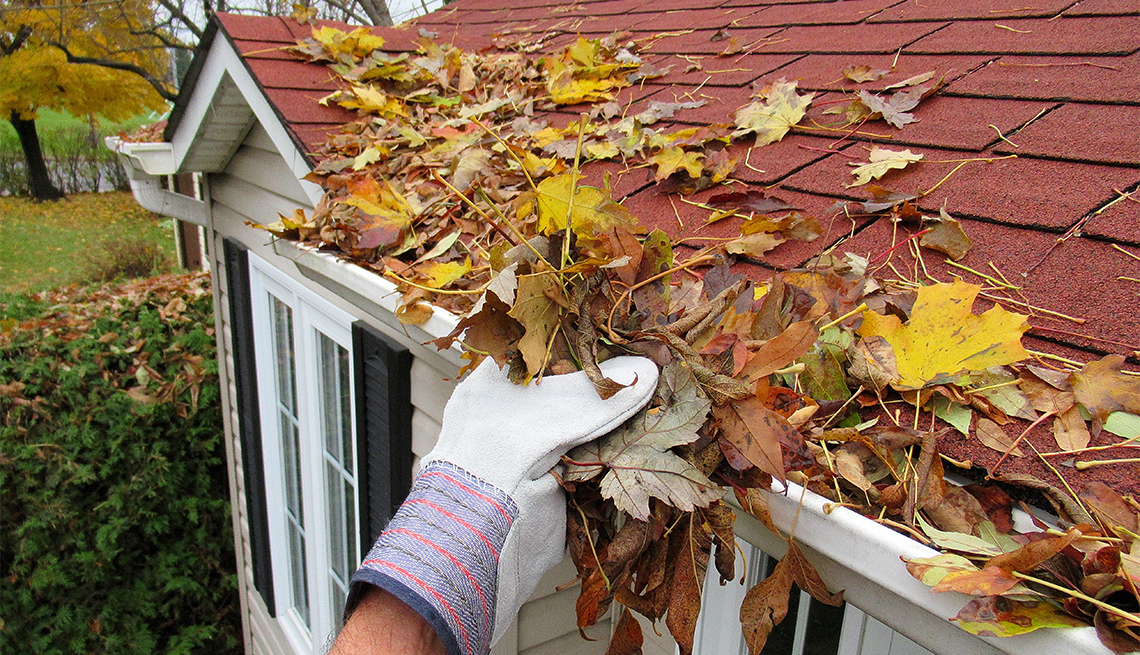
Simple preventive care keeps your home value strong. Schedule seasonal checkups for HVAC filters, roof inspections, gutter cleaning, and appliance maintenance. Even small leaks or electrical issues can snowball into major costs if ignored.
4. Understand Your Home Insurance and Warranty
Review your policies and home warranty coverage now—not when you need them. Ensure your coverage matches your location risks (think hurricanes or flood zones) and update your insurer if you’ve made improvements. Don’t have a home warranty? Check out American Home Shield to see if one is right for you.
Bonus Local Insight: Use Professionals You Can Trust
As a seasoned Orlando real estate expert, I know the transition from closing to ownership can be overwhelming. Lean on trusted local pros — from plumbers to mortgage partners like Sunnyhill Financial.💡 Sunnyhill Financial offers competitive rates and personalized guidance for Florida homeowners ready to make their next move.
👉 Start your next smart step with Sunnyhill Financial
Thinking About Buying, Refinancing, or Investing in Central Florida?
Let me help you navigate your next step — whether that’s finding your dream home or lowering your current rate.
📞 Contact me today for personalized guidance on Orlando real estate and mortgage solutions.
Contact me with any questions:
Robert Sullivan | SL3413781 FL
robert.sullivan@floridamoves.com
http://www.robertsullivanrealestate.com
(407) 221-2276 (Direct)
Orlando North/Heathrow
1120 Townpark Ave Ste 1042 Lake Mary, FL 32746
Coldwell Banker Real Estate LLC